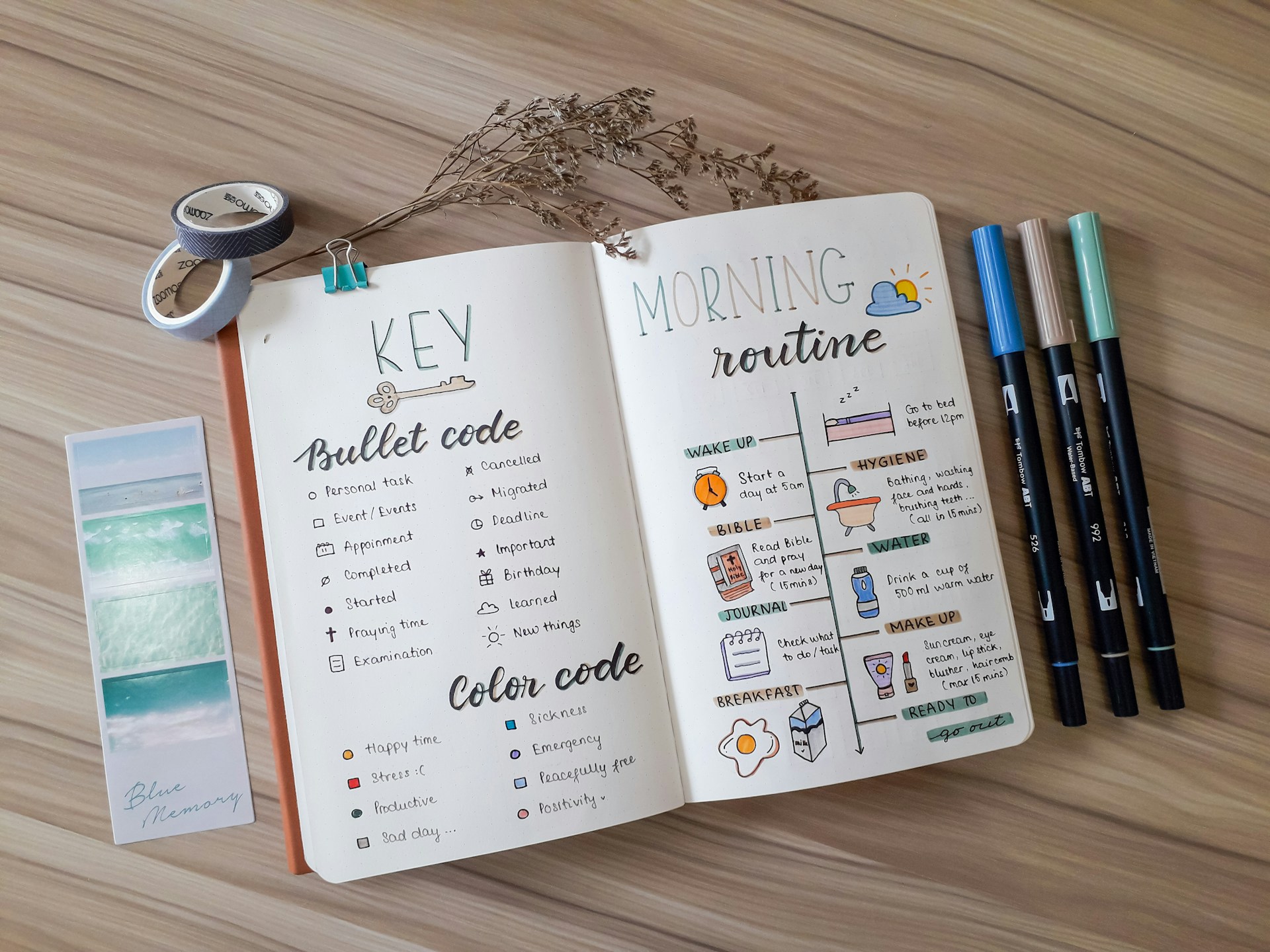
A morning routine does not need to start at 5 a.m. or include a long list of perfect habits. The best routine is a repeatable sequence that helps you wake up, get ready, and begin the day with less stress. It should fit your sleep schedule, responsibilities, health, and the amount of time you actually have.
Instead of copying an influencer’s schedule, choose two or three actions that solve a real problem. If mornings feel rushed, prepare essentials the night before. If you feel groggy, allow time to wake up and get some daylight. If you forget priorities, write down the most important task before opening social media.
1. Set a Wake-Up Time You Can Maintain
A consistent wake-up time can make mornings more predictable, but it should not come at the expense of adequate sleep. Choose a time that fits your work or study schedule and adjust gradually if your current routine is very different. A dramatic change is harder to sustain than moving your wake-up time in small steps.
2. Prepare the Night Before
Put frequently needed items in one place: clothes, keys, bag, charger, lunch, or study materials. Check tomorrow’s calendar and decide what needs to leave the house with you. A short evening reset reduces the number of decisions you have to make while tired.
3. Drink Water and Eat According to Your Needs
After waking, have water if you are thirsty and follow a breakfast pattern that suits your appetite, schedule, and dietary needs. Some people prefer a full breakfast; others need something small they can take with them. There is no single breakfast routine that works for everyone, so focus on what helps you feel comfortable and function well.
4. Get Light and Gentle Movement
Opening the curtains or spending a few minutes outdoors can help you feel more awake. Gentle stretching, a short walk, or a few mobility movements may also help you transition into the day. Keep it realistic: a five-minute walk that happens regularly is more useful than a complicated workout you keep postponing.
5. Choose One Priority Before Checking Notifications
Messages and feeds can fill the first part of the day before you have decided what matters. Write down one important task, review your calendar, or spend a few minutes planning the first work or study block. If you need your phone for alarms, consider leaving distracting apps closed until you are ready.
6. Keep the Routine Short Enough to Repeat
Try a simple 10-minute version first: get up, drink water, open the curtains, wash and dress, then check the day’s first commitment. Add exercise, journaling, reading, or meal preparation only when the basics feel easy. A routine should support your life, not become another source of guilt.
Build a Routine for Busy Days Too
Make a minimum version for mornings when you oversleep or have an early appointment. Choose the two actions that matter most and skip optional steps without abandoning the whole routine. This prevents an all-or-nothing mindset and makes it easier to return to normal the next day.
- Prepare essentials before bed.
- Keep wake-up time reasonably consistent.
- Allow enough time for basic hygiene and getting dressed.
- Choose one priority for the day.
- Keep the phone away from distractions until you are ready.
Three Morning Routines for Different Schedules
Your routine should match the time you have, rather than forcing every morning into the same template. Try one of these as a starting point and remove anything that does not help.
- Five-minute routine: get up, open the curtains, drink water if you want it, wash and dress, then identify the first commitment of the day.
- Fifteen-minute routine: prepare yourself, review your calendar, and spend a few minutes stretching or walking if that feels comfortable.
- Thirty-minute routine: add a simple breakfast, a short movement session, or quiet reading—but only if you can still protect adequate sleep.
If you share a home, prepare items in a common area the night before and keep noisy tasks for a suitable time. If you work shifts or study late, your “morning” may begin later in the day. Consistent sleep and a routine that fits your schedule matter more than a particular clock time.
Troubleshoot the Habit That Keeps Breaking
When a routine repeatedly fails, look for the point where it becomes difficult. If you snooze several alarms, consider whether you are getting enough sleep before adding more discipline. If you run out of time, remove optional steps and prepare clothes or a bag in advance. If you immediately open social media, move the apps off your home screen or leave notifications off until after your first priority.
Track only one or two habits for a week. A simple tick on a calendar can show whether the plan is realistic. Missing a day is useful feedback: adjust the routine and restart, rather than treating one missed morning as a reason to abandon it.
Make the Routine Work at Home or on the Go
If you work or study from home, use a small transition between waking up and starting your first task. Open the curtains, wash and dress, prepare your workspace, and write down the first thing you will work on. A short walk or a few minutes away from screens can help mark the beginning of the day.
If you leave home early, prepare essentials the night before. Keep keys, wallet, bag, lunch, and work or study materials together. Check the weather and travel plans in advance, and leave a realistic buffer for delays. A routine that does not allow enough time to get where you need to go will only add stress.
Keep Track Without Turning It Into a Chore
Choose one sign that the routine is helping, such as leaving on time, remembering your first priority, or feeling less rushed. Review it after a week and adjust one thing at a time. A paper note, calendar mark, or short checklist is enough; a tracking app is unnecessary unless it genuinely makes the habit easier.
For another practical starting point, read our guide to simple lifestyle changes for everyday life. Try one change at a time so the routine stays manageable.
Frequently Asked Questions
How long should a morning routine take?
It can take five minutes or an hour, depending on your needs. Start with a short routine you can repeat and add steps only if they genuinely help.
Do I have to wake up at 5 a.m.?
No. Choose a wake-up time that allows enough sleep and fits your responsibilities. Waking earlier is not automatically more productive.
What if I miss a day?
Resume the next morning. A routine is a flexible support system, not a test you pass or fail.
Final Thoughts
Realistic morning routine ideas work because they reduce friction, not because they look impressive. Prepare a little the night before, protect your sleep, choose a small number of useful habits, and allow the routine to change when life gets busy. Consistency matters more than perfection.