

A room can look thoughtfully designed without expensive furniture or a full renovation. The most effective home decor ideas to make your home look expensive usually come down to proportion, lighting, consistent finishes, and keeping the space visually calm. A few carefully chosen updates can make a room feel more polished while still reflecting your personality and budget.
Start with the room you use most, and make one change at a time. These ten ideas focus on details you can adjust with everyday items, modest purchases, or a simple weekend project.
1. Create Balance With Symmetry
Balanced arrangements help a room feel intentional. Try matching lamps on either side of a bed, a pair of side tables beside a sofa, or two framed prints above a console. You do not need to make the whole room symmetrical; one well-planned arrangement can create a visual anchor.
If matching items are outside your budget, use pieces with similar height, color, or visual weight. The aim is balance, not a showroom where every object is identical.
2. Choose One Larger Art Piece
A single large artwork can look more confident than many small prints scattered across a wall. Choose a piece that suits the room’s palette and hang it at a height that relates to the furniture below it. A good-quality print in a simple frame can work just as well as an expensive original.
For a gallery wall, keep some consistency in frame color, spacing, or subject matter so the arrangement feels collected rather than random.
3. Coordinate Metal Finishes
Cabinet handles, faucets, lamps, and picture frames all contribute to a room’s finish. Too many unrelated metal tones can make the space feel accidental. Choose one dominant finish and, if you like, add a second complementary one in smaller amounts.
You do not have to replace everything at once. Updating a few visible handles or matching new accessories to an existing finish can bring the room together without a major expense.
4. Add Greenery and Natural Texture
Plants and flowers introduce color, shape, and life to a room. A healthy houseplant, a branch in a simple vase, or a modest seasonal bouquet can soften hard furniture lines and make a space feel cared for. Choose plants that suit the available light and the amount of attention you can realistically give them.
If living plants are impractical, use natural textures such as wood, woven baskets, linen, or stoneware to create a similar sense of warmth.
5. Use an Appropriately Sized Area Rug
A rug can define a seating area, add softness, and connect the colors in a room. One common mistake is choosing a rug that is too small, leaving it floating in the middle of the furniture arrangement. When possible, let the front legs of a sofa and chairs sit on the rug so the group reads as one zone.
Measure the space before shopping, and consider a low-maintenance material if the room gets heavy use. The right size and placement matter more than a designer label.
6. Conceal Cords and Everyday Clutter
Visible cables, chargers, packaging, and piles of miscellaneous items can distract from even attractive furniture. Use cable clips or a cable sleeve where appropriate, store small electronics in a tray, and give frequently used objects a designated home.
Do not hide items you need every day so thoroughly that they become inconvenient. The goal is to make storage easy enough that the room stays tidy in ordinary life, not only just before guests arrive.
7. Edit Throw Pillows and Soft Furnishings
A sofa usually looks more composed with a small, coordinated group of cushions than with a large pile of unrelated ones. Combine two or three textures—such as cotton, linen, or velvet—while keeping the colors connected to the rug, curtains, or artwork.
Use a mix of sizes for interest, but leave enough clear seating space. A folded throw in a complementary shade can add texture without making the sofa feel crowded.
8. Refresh Walls, Trim, and Ceilings
Clean, well-maintained paint can make a room feel fresh even when the furniture stays the same. Touch up scuffed trim, repair small wall marks, and choose a wall color that works with the room’s natural light. A soft, complementary ceiling color can add character, but it is worth testing a sample first because ceiling shades can look different throughout the day.
Prepare surfaces properly and use the right paint for the material. If you rent, check the terms of your lease before making permanent changes.
9. Make Lighting Layers Work Together
A single bright ceiling light can make a room feel flat. Combine general lighting with task lighting, such as a reading lamp, and softer accent lighting where it makes sense. Warm-toned bulbs often create a relaxed atmosphere in living rooms and bedrooms, while kitchens and work areas may need brighter, clearer light for tasks.
Choose lampshades that diffuse light comfortably and avoid glare on screens. A few well-placed light sources can change the feel of a room more than another decorative object.
10. Let Natural Light and Views Lead
Keep window areas as clear as practical and open curtains during the day to make the most of natural light. Hang curtains high enough to suit the window and choose a length that works with the room, taking care not to block radiators or create a trip hazard.
If privacy is important, combine sheer curtains with a more substantial layer rather than sacrificing all daylight. A bright, comfortable room feels welcoming regardless of how much the furniture costs.
Quick Wins and Weekend Projects
| Update | Effort | Why it helps |
|---|---|---|
| Clear surfaces and manage cables | Low | Reduces visual clutter quickly. |
| Rearrange lamps and accessories | Low | Improves balance and lighting. |
| Refresh cushion covers | Low to medium | Adds coordinated color and texture. |
| Update cabinet hardware | Medium | Creates a more consistent finish. |
| Repaint scuffed trim or a wall | Medium | Makes the room look maintained and fresh. |
How to Make the Changes Feel Cohesive
Choose a simple color palette
Start with two or three colors already present in the room, then repeat them in textiles and accessories. Repetition creates connection; it does not mean every item has to match exactly.
Leave some breathing room
Not every shelf or tabletop needs to be filled. Group objects in small arrangements, vary their heights, and leave empty space around them so individual pieces can stand out.
Spend on what you notice every day
Before buying decor, decide what is actually bothering you. If the room feels dark, improve the lighting. If it feels busy, edit clutter. If the seating area feels disconnected, reconsider the rug and furniture layout. Solving the real problem is usually more effective than buying several new accessories.
Use Window Treatments to Finish the Room
Curtains can make a room feel more complete when their width and length suit the window and ceiling height. Measure before ordering and check whether the fabric needs special cleaning. If you want a taller-looking wall, a suitable curtain rod positioned above the window frame can draw the eye upward, provided it does not interfere with trim, blinds, or the window’s operation.
You do not need expensive custom drapes to improve the look. Ready-made panels can work well when the measurements are right and the fabric hangs neatly. Keep hems away from heaters and clear of walking routes, and choose a level of light filtering that works for the room’s use and privacy needs.
Pay Attention to Scale and Spacing
Decor often looks more considered when its size relates to the furniture and wall around it. Very small art above a large sofa can feel lost, while an oversized object may crowd a narrow room. Before hanging art or moving furniture, use paper templates or painter’s tape to test the proposed size and position. This helps you see proportions before making holes or purchases.
Leave enough room to open doors, pull out chairs, and walk between furniture. A beautiful arrangement is less successful if it makes daily movement awkward. In small rooms, fewer well-sized items often look calmer than many small accessories scattered across every surface.
Choose Materials That Are Easy to Maintain
A polished room should still suit real life. If the space is used by children or pets, choose washable covers, durable finishes, and rugs that can be cleaned appropriately. For natural stone, wood, metal, or delicate fabrics, check care instructions before buying so the material does not become a source of unexpected upkeep.
Mixing textures can add depth without adding clutter: a woven basket, smooth ceramic, soft throw, and visible wood grain can complement one another when the colours are related. You do not need to buy all-new accessories. Move pieces between rooms, remove items that no longer serve a purpose, and keep the objects you genuinely like.
A Simple Weekend Refresh Plan
- Take a photo of the room and note what feels crowded, dark, or out of balance.
- Clear surfaces and remove items that are broken or no longer useful.
- Rearrange existing furniture and check the walking routes.
- Improve one lighting problem or hang art at a more suitable scale.
- Add a plant, textile, or accessory only if it helps the room feel cohesive.
If you want more inspiration before making larger changes, explore our guides to home decor trends for 2026 and more practical home decor ideas. Start with the room’s real needs and adapt any trend to your budget and daily routine.
Final Thoughts
A home looks elevated when its details feel considered, not when every item is expensive. Balanced furniture, well-sized art and rugs, coordinated finishes, layered lighting, and less visible clutter can make a meaningful difference. Start with one affordable change, live with it, and build gradually around what genuinely works for your space.
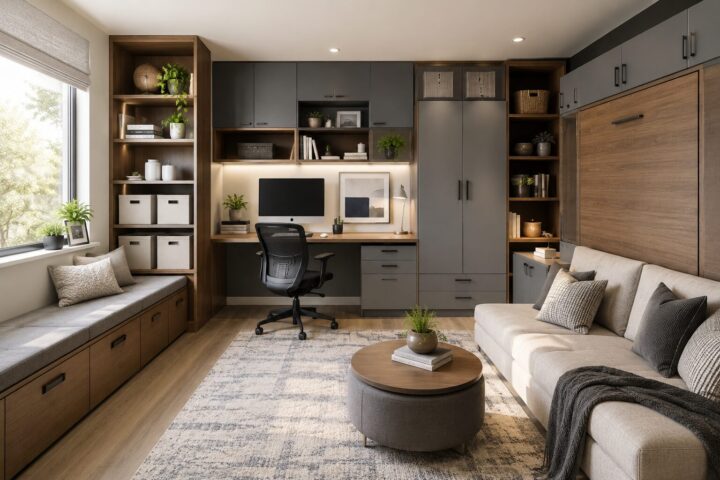
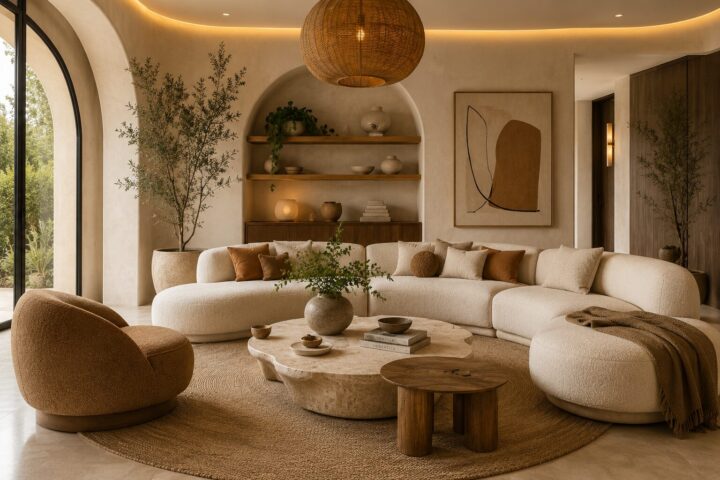

[…] 10 Simple Home Decor Ideas to Make Your Home Look Expensive […]