
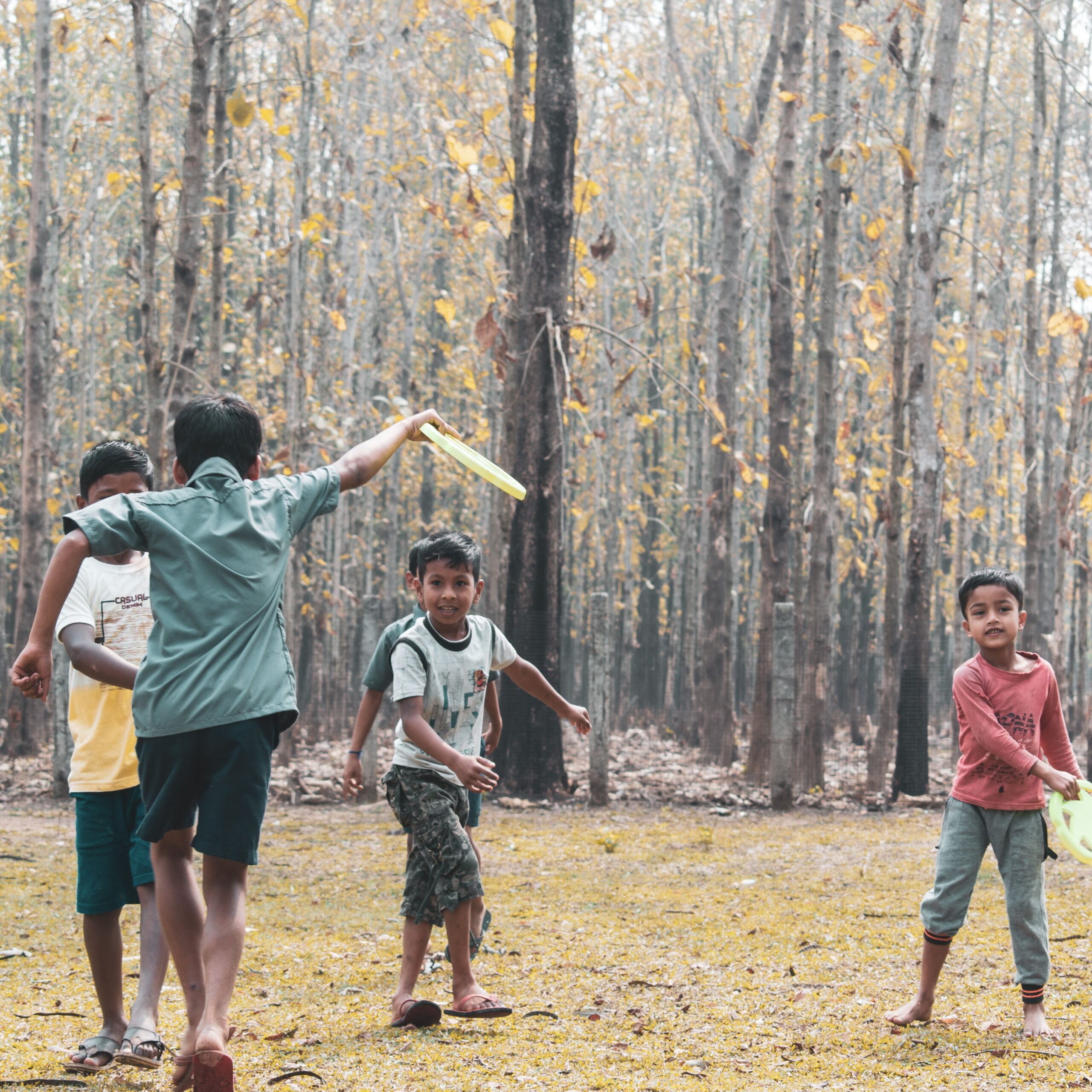
The best sport for fitness is one that suits your goals, current ability, schedule, and access to facilities. Football, swimming, basketball, tennis, cycling, badminton, martial arts, running, volleyball, and cricket all combine movement and skill in different ways. You do not need to compete seriously to enjoy the benefits of regular activity.
Before starting a new sport, think about how active you are now, what equipment you need, and how much time you can realistically commit. Build intensity gradually, warm up, stay hydrated, and choose an activity you are likely to continue rather than one that sounds impressive but does not fit your life.
1. Football (Soccer): Endurance and Teamwork

Football mixes jogging, short sprints, changes of direction, balance, and coordination. The game keeps players reacting to the ball and teammates, which can make movement feel less repetitive than a solo workout. Casual matches can also provide a social reason to stay active.
Warm up before playing, wear footwear suited to the playing surface, and increase playing time gradually. Beginners may find smaller-sided games easier to manage than a full-length match.
2. Swimming: Full-Body Movement With Lower Impact

Swimming uses the arms, legs, trunk, and breathing muscles while water supports much of the body’s weight. It can be a useful option for people who prefer lower-impact exercise, although technique and effort still matter. Start with short, comfortable lengths and take breaks when needed.
Use a supervised pool or safe swimming environment, follow local safety rules, and consider lessons if you are still building confidence.
3. Basketball: Agility and Quick Decisions
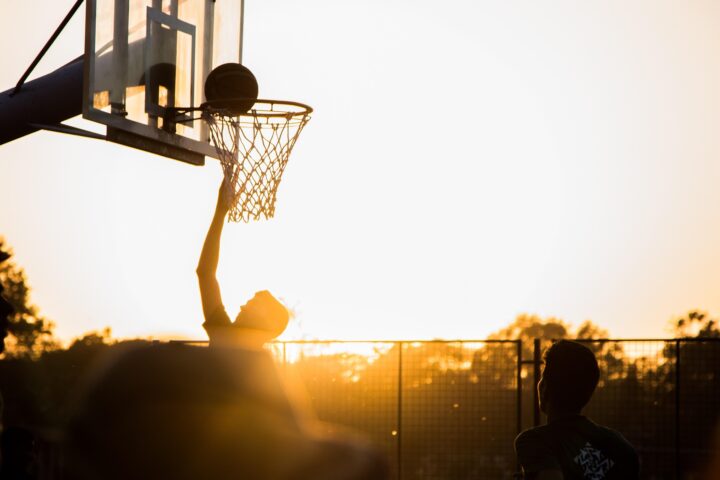
Basketball includes quick changes of direction, jumping, hand-eye coordination, and rapid decisions. A full game can be demanding, but beginners can start with shooting practice, dribbling drills, and short recreational games. Shoes with suitable grip and support help on court surfaces.
4. Tennis: Coordination and Repeated Movement
Tennis challenges players to judge ball direction, move into position, control a racket, and recover between shots. Singles often involve more court coverage than doubles, but both formats can be enjoyable ways to practise coordination and stamina. Begin with short rallies before focusing on match results.
Choose a manageable racket, use footwear suited to the court, and adjust the session to the weather. Taking water breaks is especially important during hot conditions.
5. Cycling: Cardio and Leg Endurance
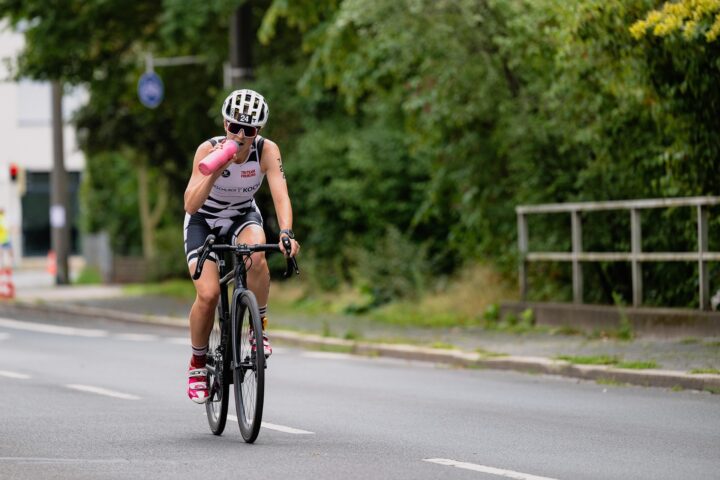
Cycling can be done outdoors or on a stationary bike. Speed, resistance, distance, and terrain let you adjust the effort to your level. Before riding, check the brakes, tyres, and bike fit. Use a properly fitted helmet where required or recommended, stay visible, and follow local road rules.
6. Badminton: Fast Footwork
Badminton combines short sprints, lunges, overhead shots, and quick reactions. It can be played socially and needs less space than many field sports. Court shoes with appropriate grip can help, and beginners should learn basic footwork before trying to move at full speed.
7. Martial Arts: Technique and Control
Boxing fitness classes, karate, taekwondo, judo, and other martial arts vary, but many combine skill practice, balance, coordination, and conditioning. Ask an instructor what a beginner class involves, choose a qualified teacher, and use the required protective equipment. You should not feel pressured into contact training before you are ready.
8. Running: Simple and Flexible
Running requires little equipment and can fit around many schedules. Start with a pace and distance that feel manageable; alternating short jogging intervals with walking can help beginners build up gradually. Comfortable shoes, safe routes, and recovery time are important. Brisk walking or cycling may be a more comfortable starting point for some people.
9. Volleyball: Team Coordination
Volleyball involves serving, passing, setting, jumping, and reacting to teammates. Recreational versions can be played indoors, outdoors, or on sand. Beginners can focus on passing and serving first, then add more jumping and faster play as their skills improve.
10. Cricket: Skill and Team Play
Cricket combines batting, bowling, fielding, sprinting between wickets, and tactical decisions. Physical demands vary by role and format. Use suitable footwear and protective equipment, warm up before bowling or sprinting, and build workloads gradually, particularly when practising repeated high-effort bowling.
How to Choose the Right Sport
- For social motivation: try football, basketball, volleyball, badminton, or cricket.
- For flexible solo sessions: running, swimming, and cycling can be easier to schedule.
- For skill development: tennis, badminton, martial arts, and team sports offer techniques to practise.
- For lower-impact movement: swimming or stationary cycling may suit some people, depending on individual needs.
- For convenience: choose an activity with accessible facilities, routes, or partners.
Build a Routine You Can Maintain
Begin with a realistic schedule rather than planning a demanding routine that leaves no room for recovery. Mix skill practice with easier sessions, and increase duration or intensity gradually. Rest, hydration, appropriate equipment, and attention to pain are part of a sensible plan.
Track how you feel and whether the sport fits your life. If you consistently dislike an activity, try another one. Enjoyment makes it easier to return next week and turn exercise into a habit.
Match the Sport to Your Fitness Goal
Different sports place different demands on the body, so it helps to decide what you want from your routine. If you want to build endurance, activities that keep you moving for sustained periods—such as swimming, cycling, running, or longer recreational games—may be useful. If you prefer short bursts of effort and quick decisions, basketball, badminton, football, and tennis may hold your interest. Martial arts can add structured skill practice, while cricket and volleyball combine movement with teamwork. These are general tendencies, not guarantees: pace, playing time, and your own effort make a substantial difference.
You do not need to choose only one activity. Someone who enjoys cycling might add a weekly badminton session for variety, while a football player could use easy walking or gentle cycling on recovery days. A mix can help keep exercise interesting, but increase the total workload gradually instead of adding several demanding activities at once.
A Simple Weekly Plan for Beginners
Start with a schedule that feels manageable and leaves time to recover. For example, a beginner might try two short sport sessions on non-consecutive days and add easy walking on another day. If the activity involves running, jumping, or rapid changes of direction, keep early sessions shorter and include breaks. As the routine becomes comfortable, add time or a little more intensity—not both at once.
- Session one: practise basic skills and move at a comfortable pace.
- Session two: repeat the activity or choose a different sport you enjoy.
- Optional easy day: take a walk, do gentle mobility work, or rest if you feel tired.
- Weekly check-in: note what felt enjoyable, what was difficult, and whether you need to adjust the next week.
This is only a starting example, not a fixed prescription. Your schedule should reflect your current activity level, work or study commitments, access to facilities, and any advice you have received from a qualified health professional.
Plan for Weather, Cost, and Access
A sport is easier to maintain when the practical details work. Before committing to a club or class, check membership fees, court or pool charges, transport, equipment, and whether beginner sessions are available. Running and walking can require relatively little equipment, while swimming may involve pool fees and cycling requires a suitable, maintained bike. Team sports can be inexpensive when shared facilities and equipment are available, but costs vary by location.
Hot weather calls for extra planning. Choose cooler times where possible, drink water, take breaks, and stop if you feel unwell. In poor air quality, extreme heat, or unsafe outdoor conditions, consider an indoor option or postpone the session. Check local rules for road cycling and use lights or reflective clothing when visibility is low. For swimming, use a safe supervised setting and do not rely on fitness alone as a substitute for water-safety skills.
Know When to Slow Down
Mild muscle tiredness can happen when you try a new activity, but sharp pain, dizziness, chest discomfort, unusual shortness of breath, or symptoms that concern you are reasons to stop rather than push through. Rest and recover between demanding sessions. If you have an injury, a health condition, or are unsure which activity is suitable, ask a qualified professional for individual guidance. Learning technique from a coach or instructor can also help you progress more confidently.
Match the Sport to Your Fitness Goal
Different sports place different demands on the body, so decide what you want from your routine. Swimming, cycling, running and longer games can support endurance; basketball, badminton, football and tennis involve quick movement and decisions. Martial arts add structured skill practice, while cricket and volleyball combine movement with teamwork. These are general patterns rather than guarantees: pace, playing time and personal effort make a difference.
You do not have to choose just one activity. Someone who enjoys cycling could add a weekly badminton session for variety, while a football player might use easy walking on a recovery day. Introduce new activities gradually instead of adding several demanding sessions at once.
A Simple Weekly Plan for Beginners
Begin with a schedule that feels manageable and leaves time to recover. For example, try two short sport sessions on separate days and add easy walking if it suits you. For running, jumping or rapid changes of direction, keep early sessions short and take breaks. As the routine becomes comfortable, increase either duration or intensity gradually.
- First session: practise basic skills at a comfortable pace.
- Second session: repeat the activity or try another sport you enjoy.
- Optional easy day: walk gently, do mobility work or rest if tired.
- Weekly check-in: note what felt enjoyable and what needs adjusting.
This is a starting example, not a fixed prescription. Adjust it to your current activity level, work or study commitments, access to facilities and any advice from a qualified professional.
Plan for Weather, Cost, and Access
A sport is easier to maintain when the practical details work. Check membership fees, court or pool charges, transport, equipment and beginner-session availability. Running may need relatively little equipment, while swimming can involve pool fees and cycling requires a suitable, maintained bike. Costs vary by location.
In hot weather, choose cooler times where possible, drink water, take breaks and stop if you feel unwell. In poor air quality or unsafe outdoor conditions, consider an indoor option or postpone the session. For cycling, follow local road rules and improve visibility when light is low. For swimming, use a safe supervised setting and learn water-safety basics.
Know When to Slow Down
Sharp pain, dizziness, chest discomfort, unusual shortness of breath or other worrying symptoms are reasons to stop rather than push through. Allow recovery between demanding sessions. If you have an injury or health condition, ask a qualified professional for individual guidance. A coach or instructor can also help you learn technique and progress more confidently.
Frequently Asked Questions
Which sport is best for overall fitness?
There is no single best sport for everyone. The right choice depends on your goals, current ability, access, and preferences. Consistency and gradual progression matter more than choosing the sport with the biggest reputation.
Can beginners play team sports?
Yes. Look for beginner sessions, recreational leagues, or smaller-sided games. Let the organiser know you are new so the pace and expectations can be suitable.
How often should I play?
Start with a manageable frequency and allow recovery, especially if the activity is new. The right schedule depends on intensity and personal circumstances; increase gradually rather than suddenly doubling your workload.
Final Thoughts
Football, swimming, basketball, tennis, cycling, badminton, martial arts, running, volleyball, and cricket can all be worthwhile ways to move more. Choose an activity you enjoy, learn the basics, use appropriate equipment, and build up at a sensible pace. The best long-term option is one you can keep doing safely and consistently.
Related reading: For other manageable ways to build a healthier routine, see our guide to simple lifestyle changes that can improve daily life.