
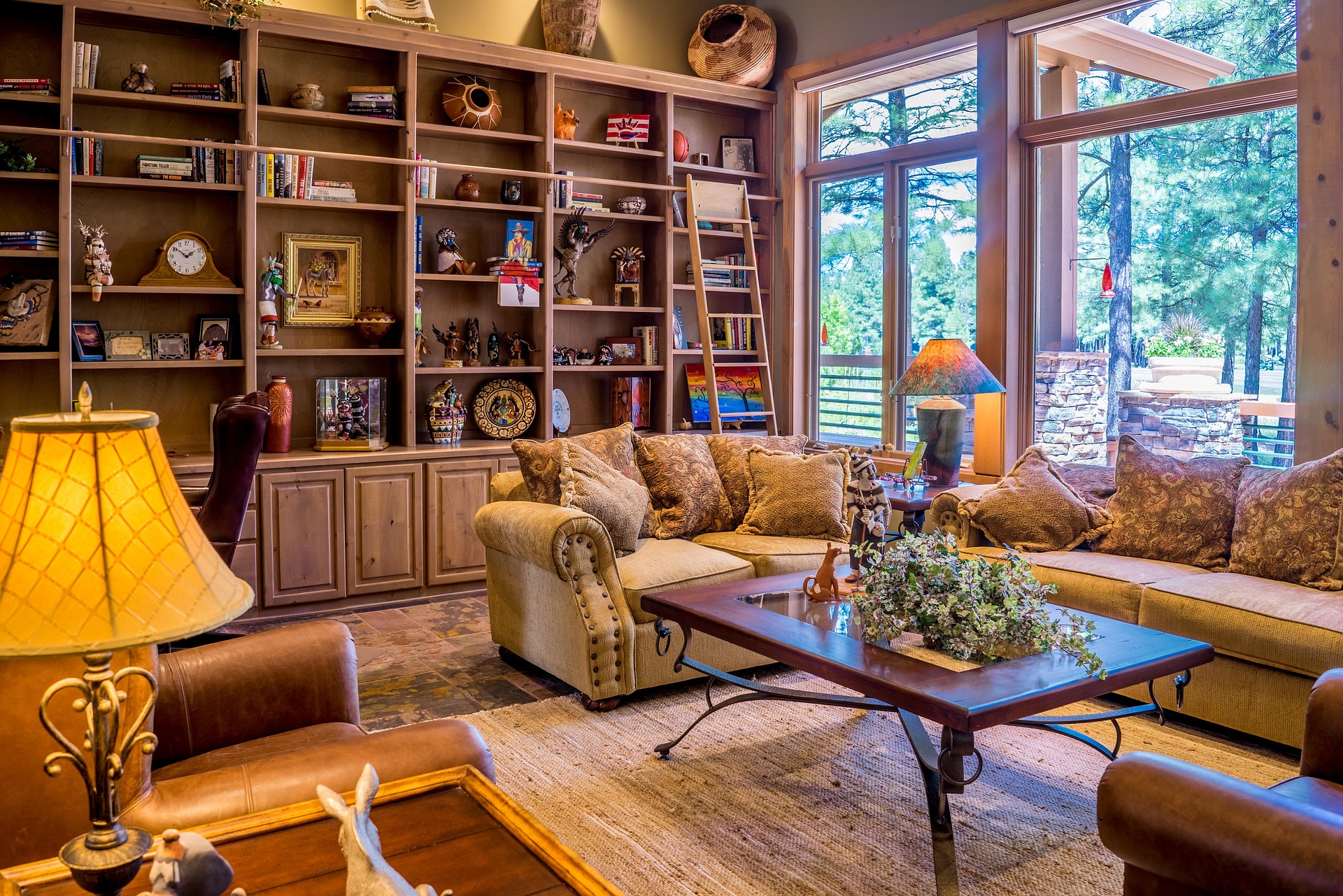
A room can look more polished without buying all-new furniture or following every design trend. Often, the difference comes from a few deliberate choices: layered lighting, balanced proportions, thoughtful storage, and materials that work together. These home decor ideas are practical for renters and homeowners because most can be adapted to different budgets and room sizes.
Before shopping, look at the room as it is. Notice where natural light falls, which areas feel crowded, and what you use every day. Improving those details usually gives you more value than adding decorative items without a plan.
1. Layer Your Lighting
A single ceiling light can make a room feel flat, especially in the evening. Combine ambient lighting with task and accent lighting where it makes sense. A floor lamp beside a reading chair, a desk lamp for focused work, and a small table lamp can create a more comfortable atmosphere without changing the furniture.
Choose bulbs with a consistent colour temperature in spaces that connect visually. Warm white light often suits living rooms and bedrooms, while a clearer neutral light may work better for detailed tasks. Check the fixture’s recommended wattage and use energy-efficient bulbs that fit properly.
2. Add Texture With Rugs, Curtains, and Cushions
Texture makes a room feel considered even when the colour palette is simple. Combine materials such as cotton, linen, wool, wood, woven baskets, and matte ceramics. The goal is contrast, not clutter: a few different surfaces can add depth without filling every shelf.
When choosing cushions and throws, repeat one or two colours already present in the room. If the sofa has a strong pattern, keep nearby textiles quieter. If the furniture is neutral, a patterned cushion or textured throw can provide a small focal point.
3. Choose a Rug That Fits the Furniture
A rug can visually connect seating, define a small living area, and soften hard flooring. One common mistake is choosing a rug that is too small. If possible, place at least the front legs of the main seating pieces on the rug so the arrangement feels connected. Measure before ordering, and use a suitable non-slip pad where needed.
For busy homes, consider how easily the rug can be cleaned and whether its pile works with doors, chairs, pets, or mobility needs. A beautiful rug that is difficult to maintain may not be the best choice for the room.
4. Use Mirrors to Reflect Light
A well-placed mirror can reflect daylight and make a room feel more open. Try positioning one opposite or beside a window, provided the reflected view is pleasant. Mirrors also work in narrow hallways and entry areas where a large piece of furniture would take up too much space.
Check the wall fixing and the mirror’s weight before hanging it. In homes with children or pets, choose secure mounting hardware and a placement that reduces the risk of accidental impact.
5. Make Wall Art Look Intentional
Art does not need to be expensive to look good on a wall. A personal photograph, print, textile, or handmade piece can be meaningful when its scale and placement suit the room. Instead of scattering many small frames randomly, try a grouped arrangement with consistent spacing and a shared visual element.
As a starting point, centre the arrangement around eye level and leave enough space around nearby furniture. Lay the frames on the floor first or make paper templates to test the layout before putting holes in the wall.
6. Bring in Plants or Natural Elements
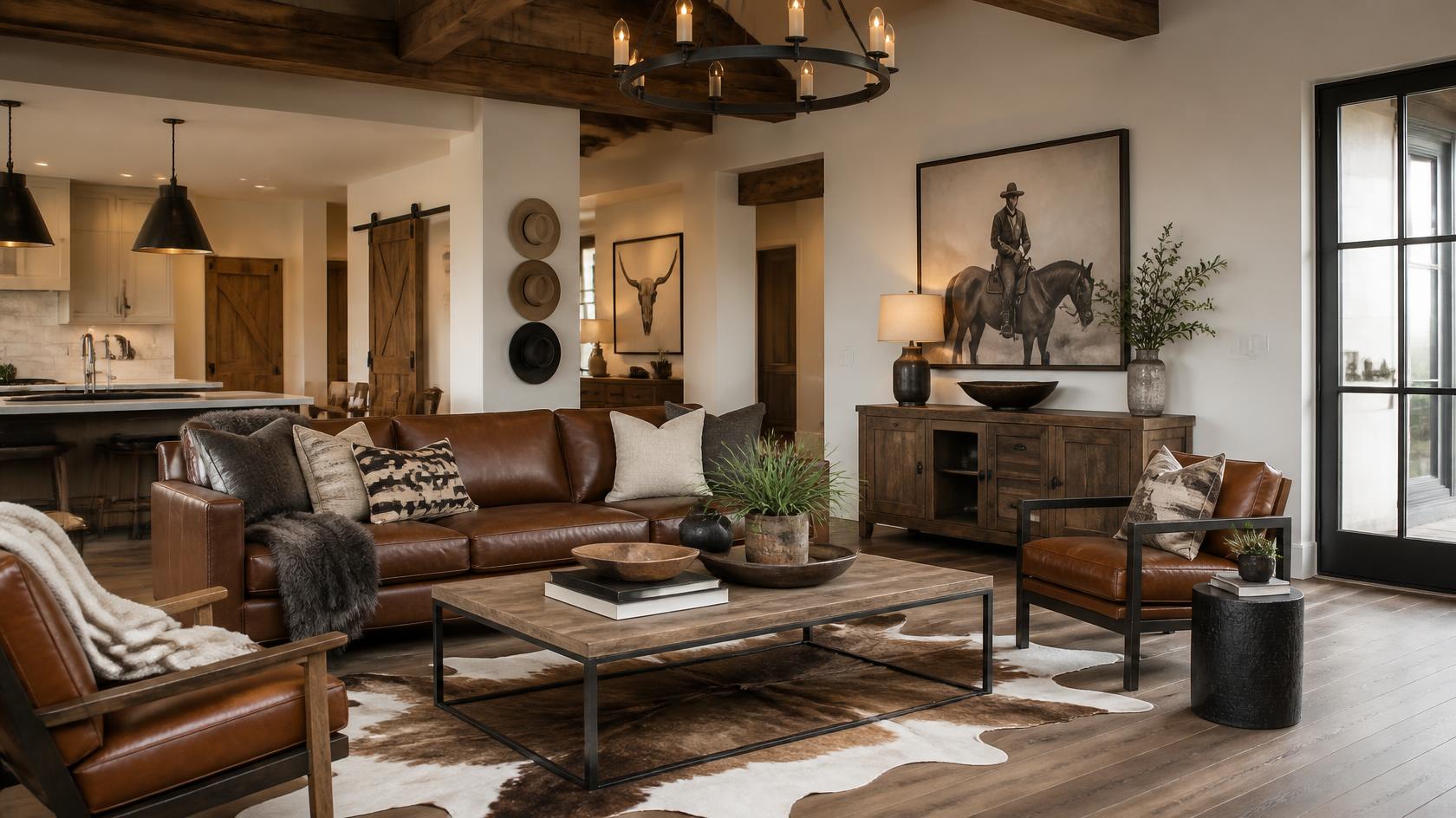
Greenery adds colour and softness, but choose plants for the conditions you actually have. Consider the amount of daylight, watering needs, and whether the plant is safe around pets. If live plants are impractical, branches, dried stems, or a small arrangement of natural materials can still introduce texture.
Use pots and planters that complement the room rather than buying a different style for every plant. Repeating a material or colour helps a collection feel cohesive.
7. Update Hardware Before Replacing Furniture
Cabinet knobs, drawer pulls, and handles are small details that can make older furniture feel fresher. Measure the existing hole spacing before purchasing replacements, and check that the finish suits other metal details in the room. Brushed finishes tend to hide fingerprints better than highly polished surfaces, while black or brass-coloured hardware can create a stronger contrast.
If you are renting, keep the original hardware labelled and stored so you can reinstall it before moving out. For furniture that is damaged or unstable, repair the underlying issue rather than relying on new handles to disguise it.
8. Create One Clear Focal Point
A room is easier to read when one feature leads the eye. It might be a piece of art, a fireplace, a colourful sofa, a headboard, or a dining table with a simple centrepiece. Arrange nearby items to support that feature instead of competing with it.
In a small room, the focal point does not have to be large. A well-framed print or a lamp with an interesting shape can be enough. Keep pathways clear so the room remains comfortable to use.
9. Reconsider Furniture Placement
Pushing every piece of furniture against the wall is not always the best layout. In a larger living room, moving seating slightly inward can create a more conversational arrangement. In a small room, leaving a clear route between the entrance and main furniture can make the space feel less cramped.
Before moving heavy pieces, measure the available space and consider doors, windows, sockets, heating vents, and walkways. A layout should look balanced but also support how people move through the room.
10. Keep a Simple Colour Palette
A limited palette helps different pieces feel related. Choose a base colour for large surfaces, a secondary colour for textiles or furniture, and one or two accent colours for smaller details. You do not have to match every item exactly; repeating undertones is often enough to create a calm result.
Test paint or fabric samples in the room’s actual light before committing. Colours can look different in morning sunlight, evening lamplight, and beside existing flooring or furniture.
11. Edit Clutter and Improve Storage
Decorative objects need space around them. Instead of displaying every small item, group a few related pieces on a tray or shelf and store the rest where they are easy to find. Baskets, closed cabinets, and drawer organisers can keep everyday items accessible without making surfaces look crowded.
For more practical organisation ideas, see our guide to affordable home decor upgrades. Start with one surface or one storage area rather than trying to reorganise the entire home in a day.
12. Add Personal Details With Meaning
A polished room should still feel personal. Display a travel photograph, a handmade object, a favourite book, or something inherited from family. These pieces give a room character that a perfectly coordinated showroom can lack.
Choose a few meaningful items and give each enough room to be noticed. The aim is not to remove personality; it is to make the things you care about easier to see.
How to Refresh a Room on a Budget
- Shop your home first: move lamps, cushions, art, and accessories between rooms before buying anything new.
- Set a spending limit: decide what matters most and leave a small amount for practical extras such as hooks or mounting hardware.
- Measure twice: confirm rug, curtain, artwork, and furniture dimensions to avoid costly returns.
- Prioritise function: repair broken items, improve lighting, and clear pathways before adding decoration.
- Make changes gradually: live with one update for a few days before deciding what the room still needs.
Frequently Asked Questions
How can I make a room look better without buying new furniture?
Rearrange furniture, improve lighting, remove visual clutter, hang existing art at a consistent height, and bring together textiles that share a colour or texture. These changes can improve the room without replacing major items.
Which home decor update should I do first?
Start with the issue you notice most often. If the room feels dark, improve lighting. If it feels crowded, edit clutter and check the furniture layout. If it feels unfinished, consider a correctly sized rug or a clear focal point.
How do I make different decor styles work together?
Repeat a small number of colours, materials, or shapes across the room. Different styles can work together when their proportions and tones relate to one another, and when the room has enough open space to feel balanced.
Final Thoughts
Good home decor is less about following a trend and more about making a space comfortable, useful, and visually balanced. Layer lighting, choose textiles thoughtfully, arrange furniture for real life, and display personal objects with intention. Make changes in stages, keep what works, and spend only where an update solves a genuine problem.

[…] […]
[…] For more inspiration, explore our home decor ideas for 2026. […]
[…] more inspiration before making larger changes, explore our guides to home decor trends for 2026 and more practical home decor ideas. Start with the room’s real needs and adapt any trend to your budget and daily […]