Planning a remodel or just curious what’s actually changing in homes this year? Interior design trends for 2026 are moving well past surface-level styling and into how rooms function, how they’re built and how they make you feel day to day.
This list leans more architectural and structural than a typical decor roundup — think layout, materials, lighting design and kitchen and bathroom specifics — so if you’re planning a bigger project this year, this is where to start.
Why 2026 Design Feels More Intentional
A clear theme runs through nearly every trend this year: technology and luxury that’s felt rather than seen. Designers keep circling back to spaces that function beautifully without looking like a showroom full of gadgets and screens.
There’s also a strong shift toward longevity — materials and layouts chosen because they’ll still feel right in ten years, not just because they’re popular right now.
1. Biophilic Design
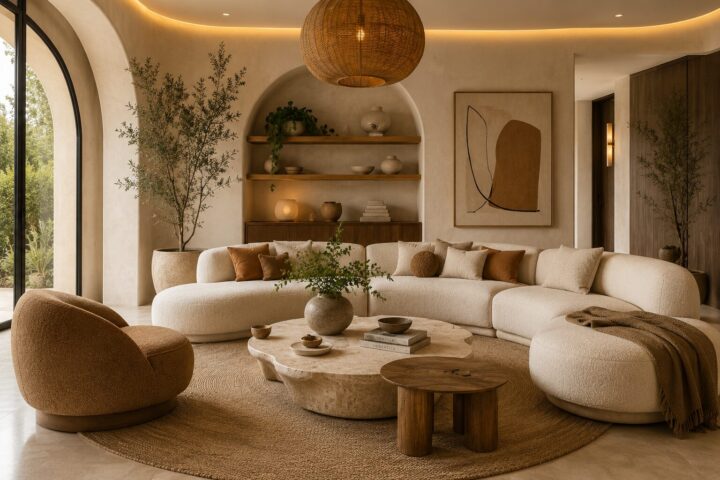
Bringing nature indoors through natural materials, greenery, and abundant natural light continues to grow and for good reason — it genuinely changes how a space feels day to day. Wood, stone and organic textures paired with big windows and nature-inspired palettes are showing up in nearly every room type this year.
2. Curved Architecture and Sculptural Forms
Arched doorways, curved walls and rounded architectural details are replacing sharp, boxy layouts in newer builds and renovations alike. It softens a home’s overall feel without sacrificing the clean lines people still want.
3. Moody, Color-Washed Rooms
Instead of one accent wall, designers are painting walls, ceilings, doors and built-ins the same deep, rich tone for a fully immersive effect. Done well, it reads as tailored and cozy rather than dark or heavy, especially in secondary rooms like offices and powder rooms.
4. Zero-Entry, Curbless Showers
This bathroom trend removes the traditional shower threshold entirely, letting the floor flow seamlessly into the shower area. It looks sleek and high-end while also making the space more accessible for the long term.
5. Wrapped Stone Bathrooms
Rather than mixing several materials, 2026 bathrooms are increasingly wrapped floor-to-ceiling in a single, striking stone. Floors, walls and vanity all share the same material for a cohesive, spa-like statement.
6. Layered and Programmable Lighting
Basic overhead lighting is being replaced with layered systems that shift tone throughout the day, from bright morning light to a warmer evening glow. It’s a genuinely functional upgrade, not just a mood-setting gimmick.
7. Furniture-Style Kitchen Islands
The heavy, monolithic waterfall island is giving way to islands that sit on slimmer, furniture-style legs. It creates a lighter architectural footprint and lets the surrounding materials stand out more.
8. Tech-Enhanced, Not Tech-Filled Homes
Smart home technology is moving away from touchscreens on every surface and toward automation that works quietly in the background. The goal in 2026 is a home that feels effortless, not one covered in visible gadgets.
9. Aging-in-Place Design
Wider walkways, curbless showers, grab bars and better lighting are being built into homes proactively rather than added later. It’s a practical trend driven by people planning for long-term comfort in their current home.
10. Sustainable and Eco-Conscious Materials
Energy-efficient appliances, water-saving fixtures, and responsibly sourced materials are becoming a standard expectation rather than a premium add-on. Recycled composites and reclaimed stone are showing up more often in both kitchens and bathrooms.
11. Zellige and Handcrafted Tile
Imperfect, handmade-looking tile with subtle texture and variation continues to gain ground over perfectly uniform options. It adds warmth and a sense of craftsmanship that mass-produced tile can’t quite replicate.
12. Checkerboard Patterns, Reimagined
The classic checkerboard floor is back, but with contemporary colorways and mixed materials rather than the traditional black-and-white look. It brings structure and visual rhythm without feeling dated.
13. Large-Format, Seamless Surfaces
Fewer grout lines, bigger tiles and continuous surfaces across floors and walls are creating a cleaner, more expansive feel in bathrooms especially. It’s a small detail that makes a noticeable difference in how open a room feels.
14. Enclosed Shower Rooms
Instead of an exposed glass shower cube, more bathrooms are treating the shower as its own separate, semi-enclosed room. It feels more sophisticated and helps hide everyday soap buildup and clutter from view.
15. Mixed Metal Finishes
Pairing warm and cool metal tones — brass with matte black or chrome with brushed gold — is replacing the matched-metal rule that dominated for years. It adds dimension without looking mismatched when done intentionally.
16. Statement Pendant
Bold, sculptural pendant lights are becoming a focal point rather than just a functional fixture, especially over kitchen islands and dining tables. They double as both lighting and art.
17. Rich, Carved Wood Furniture
Furniture with visible grain, darker stains, and hand-carved detailing is replacing flat, mass-produced pieces. It adds warmth and a sense of craftsmanship that pairs naturally with biophilic and organic design trends.
18. Organic, Earthy Color Palettes
Terracotta, olive, sage, and warm neutrals continue to dominate over stark whites and cool grays. These tones work particularly well alongside natural materials like wood and stone.
19. Multi-Functional Flex Spaces
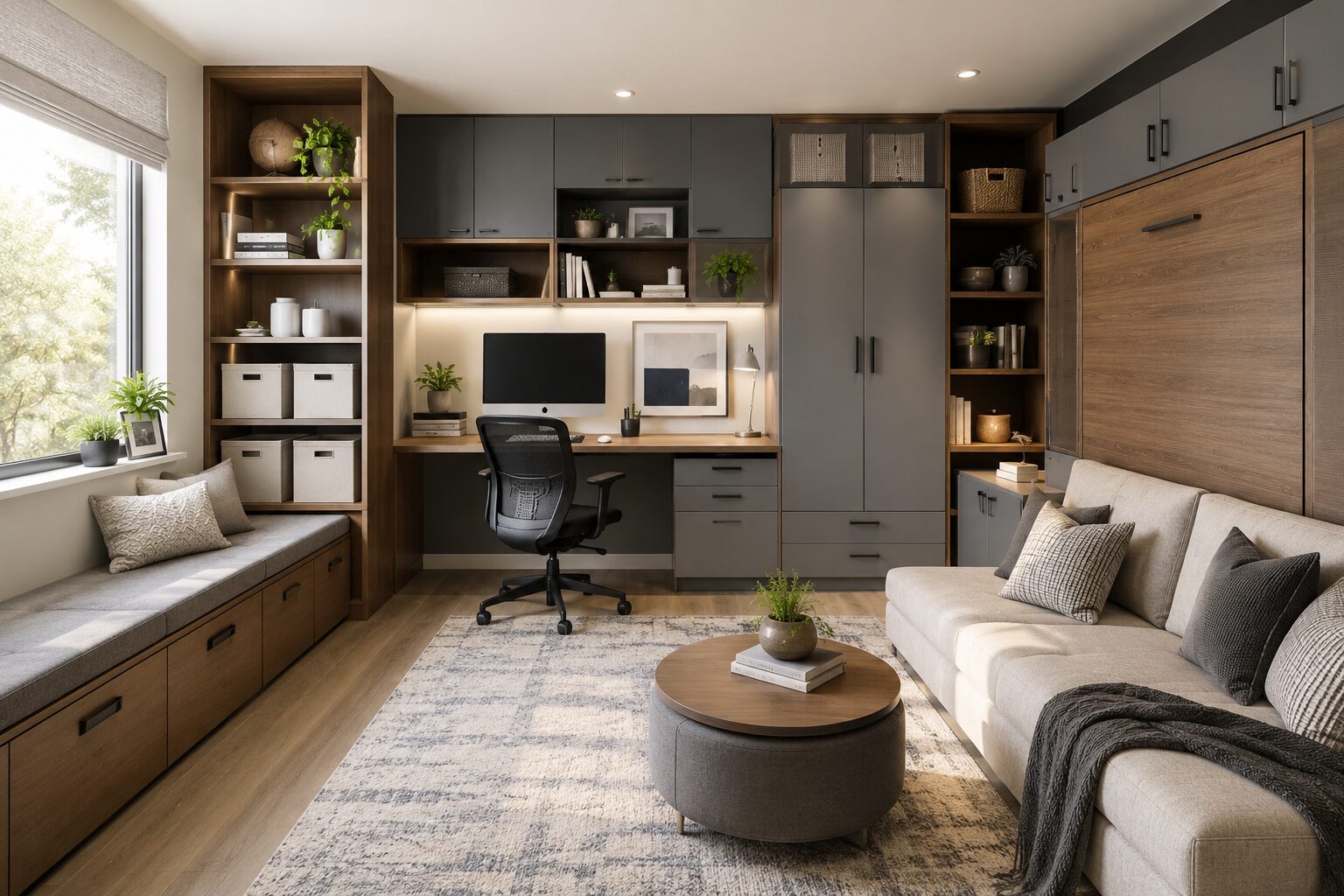
Rooms designed to serve more than one purpose — a home office that converts into a guest room or a mudroom with built-in workout storage — are becoming standard in new layouts. It’s a practical response to how people actually use their homes now.
20. Wellness-Focused Spa Bathrooms
Rainfall showerheads, steam features, heated floors and freestanding sculptural tubs are turning bathrooms into genuine relaxation spaces rather than purely functional ones. It’s one of the most consistently requested upgrades in 2026 renovations.
How to Choose the Right Trends for Your Home
Start with what your home actually needs functionally, not just what looks good in photos. If you’re renovating a bathroom anyway, trends like curbless showers or wrapped stone make sense to fold in now rather than later. If you’re not doing structural work, lean toward lower-commitment updates like lighting, color, or furniture instead.
Budget matters a lot here too, since several of these trends — curved architecture, zero-entry showers, wrapped stone — require real construction work rather than a weekend project. Prioritize the changes that improve daily function first, then layer in the purely aesthetic upgrades as budget allows.
Plan Structural Changes Around Your Budget
Architectural trends can be expensive to add after a renovation is complete. Before changing a shower, moving a kitchen island, or opening a wall, ask a qualified professional to assess plumbing, waterproofing, ventilation, electrical work, and structural requirements. A photo can make a detail look simple, but the work behind it may be complex and subject to local building rules.
If a full remodel is not realistic, use the same design principle on a smaller scale. Better task lighting, a new cabinet handle, a well-placed mirror, or a more flexible furniture arrangement can improve how a room works without changing its structure. Keep a contingency in the budget for repairs or unexpected conditions discovered during the project.
Prioritise Accessibility and Everyday Use
A good layout should work for the people who live in the home, not only look good in photographs. Keep paths clear, provide enough light at stairs and work surfaces, and choose handles and controls that are easy to use. In bathrooms, slip resistance, appropriate drainage, ventilation, and correctly installed grab bars matter more than copying a particular finish.
When comparing materials, consider cleaning and long-term maintenance as well as appearance. Textured tile may add character but can require more care; natural stone may need specific cleaning products or sealing. Ask suppliers for care instructions before purchasing and check samples in the room’s actual lighting.
Final Thoughts
Interior design trends for 2026 point toward homes that feel calmer, more intentional, and genuinely built around how people live, rather than just how a space photographs. Whether you’re planning a full remodel or a few smaller updates, the common thread is functionality wrapped in warmth.
Pick the trends that solve a real problem in your home first and treat the rest as inspiration for whenever you’re ready to tackle them.
Make Modern Design Work in a Real Home
Use trends as a guide rather than a checklist. Begin with the room’s function, natural light, storage needs and circulation. A flexible layout with clear walking paths often matters more than buying new furniture. Keep frequently used items easy to reach and make sure doors, drawers and windows can open without obstruction.
Layer Lighting and Materials
Combine general lighting with task lighting for activities such as reading, cooking or working. Warm light can make wood and textiles feel inviting, but check the colour temperature and brightness for each use. Mix smooth and textured materials in a restrained palette so the room feels cohesive rather than crowded.
Plan Before Spending
- Measure the room and make a simple layout before buying furniture.
- Choose durable finishes where wear and spills are likely.
- Set a budget for lighting, storage and installation as well as furniture.
- Check safety and installation requirements for heavy shelves and fixtures.
- Keep a few existing pieces that still work well.
For more inspiration, explore our home decor ideas for 2026.