

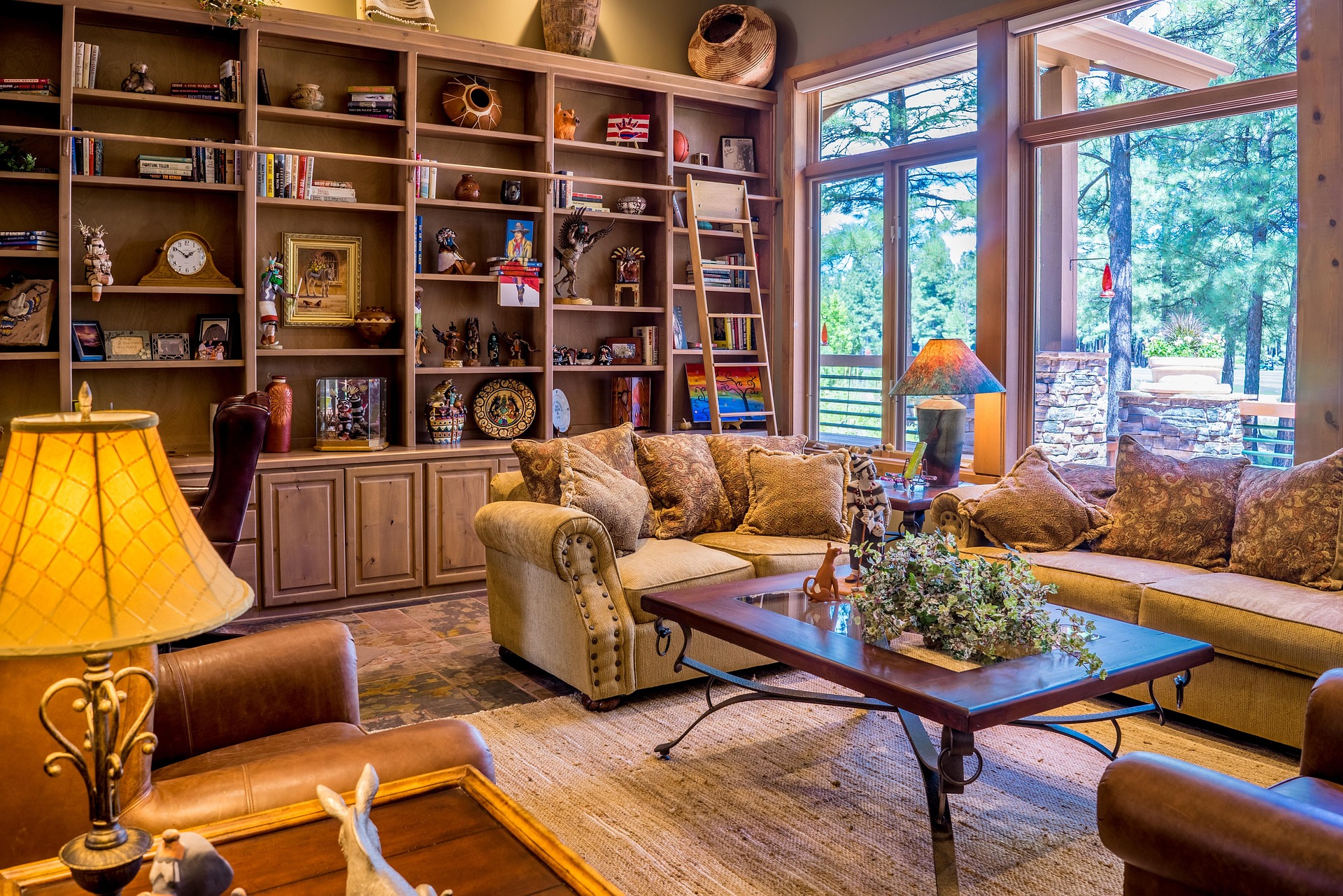
10 Best Home Decor Ideas to Refresh Your Space in 2026
Every couple of months I get this itch to rearrange my whole living room, and every time I talk myself out of it because I assume it’ll cost a fortune. Turns out it usually doesn’t. Most of the rooms that actually look “put together” on Pinterest aren’t full renovations — they’re just a handful of small, deliberate changes that add up.
So if your space is feeling a bit flat lately, here are ten home decor ideas that don’t require ripping anything out or spending a paycheck.
1. Layer Your Lighting Instead of Relying on One Overhead Light
One ceiling bulb lighting an entire room is probably the single biggest reason a space feels cold and unfinished. Add a floor lamp in one corner, a small table lamp near the sofa, maybe a warm-toned bulb somewhere too — suddenly the room has depth instead of that flat, office-y glow.
Best for: instantly warming up any room without touching the walls
2. Bring In Texture Through Textiles
A room full of hard, flat surfaces feels sterile even if the color scheme is nice. Throw pillows, a chunky knit blanket, a textured rug — these small layers make a space feel lived-in and cozy rather than like a showroom nobody actually sits in.
Best for: making a room feel warm and inviting fast
3. Use Mirrors to Fake More Space
Small rooms don’t need to feel small. A well-placed mirror bounces light around and tricks the eye into reading the room as bigger than it actually is. Put one across from a window if you can — it doubles the natural light almost instantly.
Best for: small apartments, dark rooms, tight bedrooms
4. Group Your Wall Art Instead of Scattering It
A single framed print floating alone on a big wall often looks a bit lost. Grouping three or four pieces together in a cluster — even mismatched frames — reads as intentional and gives the wall a gallery feel instead of an afterthought.
Best for: bare walls, staircases, hallways
5. Add Greenery, Even If You’re Bad at Keeping Plants Alive
Plants do something decor alone can’t — they add color and life that doesn’t come from a paint can. If you’ve killed every plant you’ve ever owned (no judgment, so have I), start with something forgiving like a snake plant or pothos before moving up to anything fussier.
Best for: adding color, freshening up stale corners
6. Swap Out Hardware Before Replacing Furniture
New cabinet handles, drawer pulls, or even a different lampshade can make old furniture look updated without buying anything new. It’s one of the cheapest changes on this list and often the most underrated.
Best for: kitchens, dressers, budget makeovers
7. Create a Focal Point in Every Room
Every well-designed room has one thing your eye lands on first — a statement chair, a bold rug, an accent wall. Without a focal point, a room tends to feel scattered, like nothing was really decided on purpose.
Best for: living rooms, bedrooms lacking direction
8. Don’t Push All Furniture Against the Walls
It’s a common instinct to shove every piece of furniture flush against the walls to “save space,” but it often does the opposite — it leaves an awkward empty void in the middle of the room. Pulling a sofa slightly forward, or angling a chair, usually makes a room feel more balanced and intentional.
Best for: living rooms, open floor plans
9. Stick to a Simple Color Story
Rooms that feel chaotic usually aren’t missing decor — they have too much of it in too many colors. Picking two or three main colors and repeating them through pillows, art, and accessories ties everything together without needing anything new.
Best for: rooms that feel “busy” or mismatched
10. Bring In Something With a Story
The pieces that make a house feel like a home usually aren’t the ones bought to match a color scheme — they’re the ones with some kind of story behind them. An old family clock, a piece picked up while traveling, something a friend made. A room can look magazine-perfect and still feel empty if nothing in it means anything.
Best for: making a space feel personal, not just styled
A Few Things Worth Remembering
Decorating doesn’t have to happen all at once. Actually, it probably shouldn’t — rooms that come together slowly, one intentional piece at a time, tend to feel more genuine than ones that were bought in a single weekend spree.
Start small. Fix the lighting first, since it’s the cheapest and most noticeable change on this whole list. Then work outward from there — textiles, a mirror, maybe a plant that survives longer than a week this time.
Final Thoughts
None of this requires a renovation budget or a design degree. Most of what separates a bland room from a genuinely nice one comes down to a handful of small, deliberate decisions — better lighting, a bit of texture, one clear focal point, and maybe one object that actually means something to you.
Pick two or three ideas from this list and start there. The rest can wait until you’ve got a bit more time, or a bit more budget, or just a new idea you’re excited about.
What’s the one decor change that made the biggest difference in your home? Share it in the comments — always looking for new ideas.