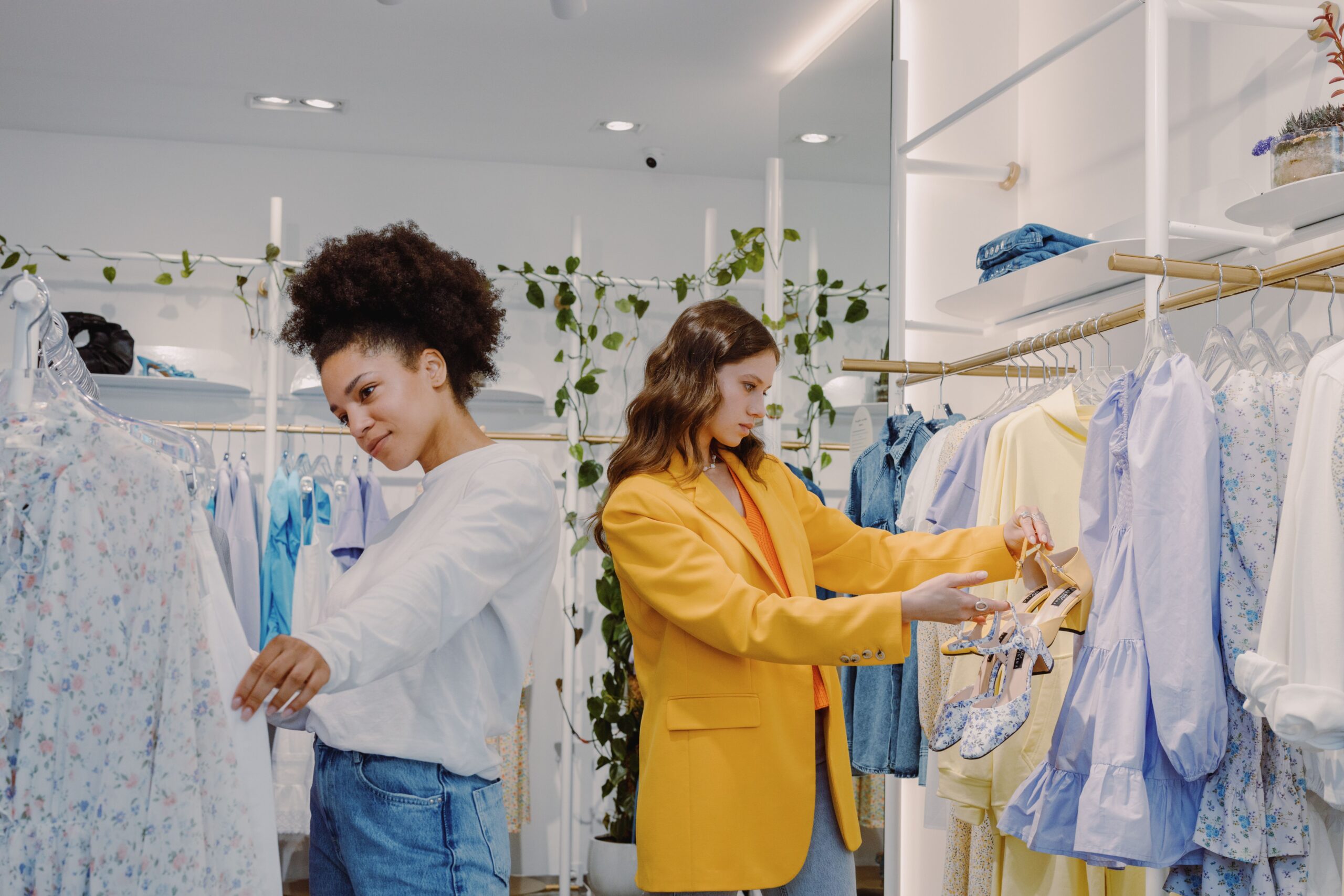
Fashion trends are easiest to wear when they work with your routine, climate, budget, and personal style. A runway look can inspire an outfit, but it rarely needs to be copied from head to toe. For everyday dressing in 2026, focus on wearable shapes, useful layers, considered colour, and accessories that give familiar pieces a fresh feel.
Trends also vary by region and season. A style that works for a cool European spring may need lighter fabrics and different layering in a warmer climate. Use the ideas below as a practical styling guide rather than a strict shopping list, and check current local availability before spending money on a specific item.
1. Sporty Pieces Styled With Everyday Basics
Sport-inspired clothing can feel polished when it is balanced with simple everyday pieces. Try a clean track jacket with straight-leg jeans, a sporty polo with tailored trousers, or minimal trainers with a structured coat. The key is proportion: if one item is relaxed or technical, keep another part of the outfit neat.
For a more put-together finish, check that shoes are clean, hems sit comfortably, and colours connect across the outfit. You do not need a full matching tracksuit or branded accessories to use this idea.
2. Statement Accessories Instead of a Whole New Wardrobe
A bag, belt, scarf, pair of earrings, or distinctive shoes can change the mood of an outfit without replacing the main pieces. If your wardrobe is mostly neutral, one accent colour can create a focal point. If your clothes already have strong patterns, choose accessories with simpler shapes.
Think about cost per wear before buying a statement piece. An accessory that works with five outfits may be a better purchase than one that suits only a single occasion. Check materials, closures, stitching, and return policies when shopping online.
3. Colour Combinations With More Personality
Colour blocking can make an outfit feel intentional, but it does not have to mean wearing several bright shades at once. Start with two colours that contrast clearly, then use a neutral item to give the eye a resting point. For example, a colourful top can work with dark trousers and simple shoes.
If you are unsure which colours work together, use a colour already present in a print as the accent for the rest of the outfit. Try combinations in natural light, since indoor lighting can change how colours appear.
4. Lace and Sheer Details Used Thoughtfully
Lace, mesh, and sheer fabrics can add texture to an outfit without requiring a formal occasion. A lace-trimmed top under a jacket, a sheer layer over a camisole, or a small lace detail on a skirt offers a subtler approach than wearing several delicate pieces together.
Consider comfort, lining, transparency, and how the fabric behaves when you move. If you prefer more coverage, layer sheer pieces over a plain base or choose garments with lace used only as trim.
5. Denim With Better Fit and Proportion
Denim remains useful because it can be styled in countless ways. Instead of chasing one exact cut, choose a fit that balances your proportions and feels comfortable while sitting, walking, and moving. Straight-leg, wide-leg, relaxed, and slim cuts can all work when the rest of the outfit is considered.
When pairing loose jeans with a loose top, define the shape with a tucked hem, a shorter jacket, or a belt if that suits your style. With slim jeans, a more relaxed shirt or knit can create contrast. The best fit is the one you enjoy wearing, not the one a trend report declares mandatory.
6. Soft, Relaxed Pieces That Still Look Finished
Comfortable dressing works best when fabric and fit look intentional. A soft dress, relaxed trousers, or a matching knit set can feel easy while still being appropriate for errands, travel, or a casual lunch. Look for fabric that drapes well and is not overly transparent, and check the care label before buying.
One structured item can give a relaxed outfit more shape: a jacket, leather-look belt, tailored bag, or clean pair of shoes. This balance helps comfortable clothing look considered rather than like sleepwear.
7. Minimalism With Texture and Shape
A minimalist outfit does not need to be plain. Small differences in texture, cut, and finish can make a neutral palette interesting. Combine a ribbed knit with smooth trousers, a structured bag with a soft shirt, or a matte fabric with a subtle sheen.
Fit matters more than the number of items. Check shoulder seams, sleeve length, trouser break, and whether the garment pulls or bunches. Simple clothes look more refined when they fit well and are cared for properly.
8. Layering That Suits the Weather
Layering is useful because it lets you adjust to changing temperatures and gives basic pieces more combinations. Start with a comfortable base layer, add a shirt or light knit, and finish with a jacket or coat when needed. Keep the heaviest layer easy to remove so you do not overheat indoors.
In warm weather, use breathable fabrics and lighter layers. In colder conditions, prioritise warmth and mobility over a complicated stack of clothes. Make sure sleeves, collars, and hems do not bunch uncomfortably beneath outerwear.
9. Shoes That Work With More Than One Outfit
Shoes have a large effect on the overall look, but comfort should come first. Choose a pair that suits your typical walking distance and the surfaces you use. Minimal trainers, loafers, boots, flats, or simple sandals can each cover several situations when their colour and shape work with your wardrobe.
Before buying, check sizing guidance, sole flexibility, support, materials, and the return policy. A stylish pair that causes discomfort is unlikely to become a useful wardrobe staple.
10. Reworking What You Already Own
The most affordable way to try a trend is to start with clothes you already have. Wear a familiar shirt open over a simple top, tuck it differently, add a belt, roll sleeves neatly, or combine a formal piece with a casual one. Photograph a few combinations you like so getting dressed is easier later.
If an item no longer fits your style, consider whether a small alteration would help. Replacing a missing button or shortening a hem may be cheaper and more sustainable than buying a replacement. Donate or resell items that are in good condition but no longer serve you.
How to Choose Trends That Are Worth Buying
- Start with your routine: choose pieces suited to your work, travel, climate, and social plans.
- Set a budget: include alterations, care, shipping, and possible return costs.
- Check fit and fabric: read size charts and garment measurements rather than relying only on the label.
- Look for repeat use: ask whether the item works with at least three things you already own.
- Ignore artificial urgency: a trend is not a good purchase just because a shop calls it a must-have.
- Care for what you buy: follow washing instructions and store delicate pieces properly.
Frequently Asked Questions
How can I follow fashion trends on a small budget?
Use accessories, restyle existing clothes, shop second-hand where practical, and buy only items that work with several outfits. Waiting a few days before purchasing can also help you decide whether you genuinely like the item.
Do I need to replace my wardrobe every season?
No. A small number of seasonal additions can update familiar basics. Fit, comfort, and personal preference matter more than replacing clothes simply because a trend has changed.
How do I make a casual outfit look more polished?
Check the fit, keep shoes clean, coordinate one or two colours, and add one structured piece such as a jacket or bag. Small finishing details often matter more than expensive labels.
Final Thoughts
Fashion is most useful when it gives you new ways to wear clothes you already enjoy. Try colour, texture, relaxed shapes, thoughtful accessories, and practical layers, but adapt each idea to your own routine. Buy less impulsively, choose fit over hype, and build a wardrobe that feels like you.