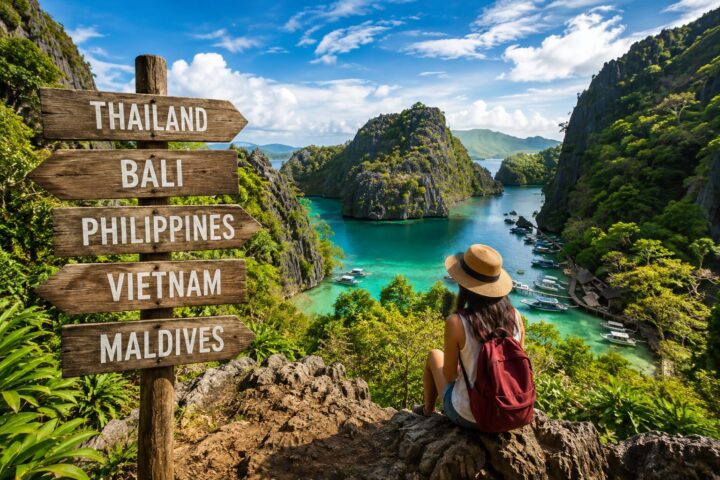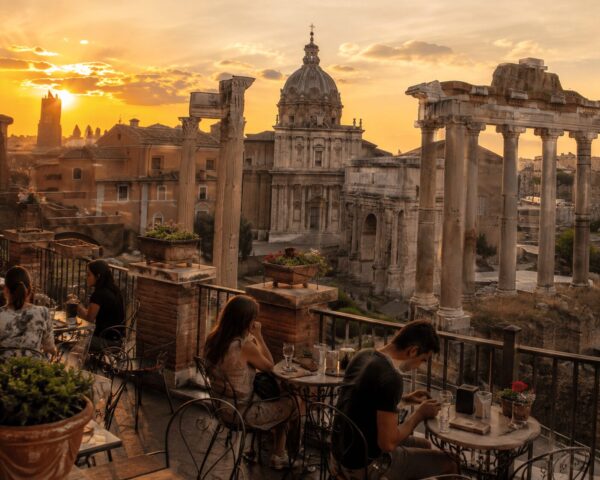
Planning a trip in 2026 can be surprisingly difficult. There are thousands of destinations to choose from, flight prices change constantly, and the place that looks perfect on Instagram may not be the best fit for your budget or travel style.
So instead of calling one destination the absolute “best,” it makes more sense to look at places that offer something different.
Some are ideal for food and culture. Others work better for beaches, road trips, wildlife or solo travel. And some are worth considering simply because they offer a different experience from the usual tourist circuit.
Here are seven destinations to consider for 2026, along with what makes each one interesting and what type of traveler may enjoy it most.
Why These Destinations Are Worth Considering in 2026
Travel trends change quickly, so there is no universal list of destinations that will work for everyone.
Flight availability, exchange rates, accommodation prices, weather, seasonal crowds and local travel conditions can all affect the experience.
That’s why the better approach is to match the destination to the trip you actually want to take.
Want a European city break? Porto is worth considering.
Looking for Japan beyond the classic Tokyo-Kyoto route? Kanazawa and Matsuyama offer very different experiences.
Want a long road trip surrounded by dramatic scenery? New Zealand’s South Island is an obvious candidate.
And if wildlife is the priority, Rwanda offers an extraordinary experience — although travelers should check current travel advisories before booking.
1. Northern Portugal — Porto and the Douro Valley
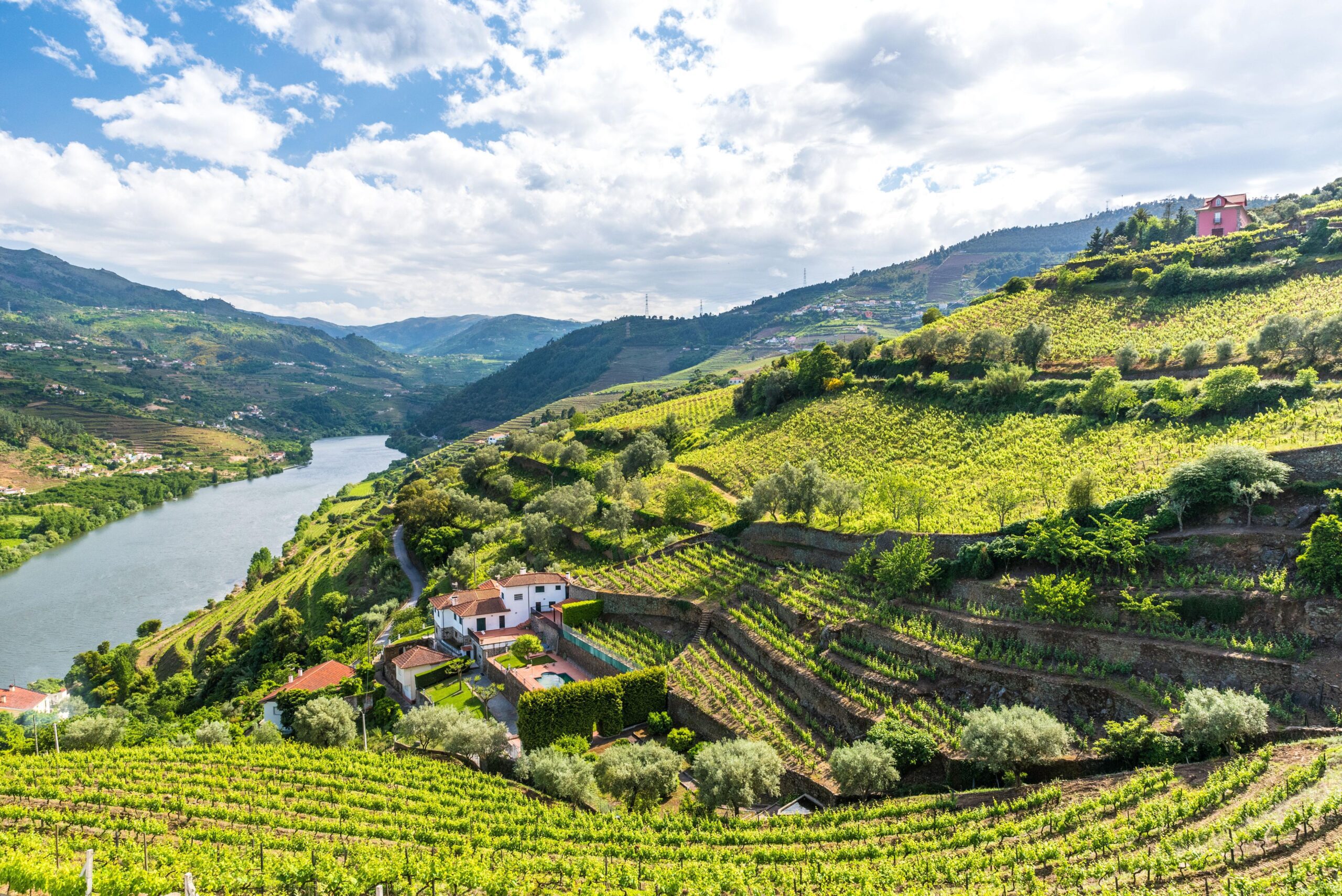
Lisbon may get more international attention, but Porto makes a compelling base for a shorter Portugal trip.
The city combines historic architecture, the Douro River, Portuguese food and easy access to the Douro Valley.
A longer trip can include a day or two exploring the surrounding wine region, while a shorter visit can focus almost entirely on Porto.
The Douro Valley is particularly appealing if you want to combine scenery with food and wine experiences.
You don’t necessarily need a packed itinerary either. Porto works well for travelers who prefer wandering through neighborhoods, visiting markets and restaurants, and leaving some time unplanned.
Best for: Food lovers, couples, wine travelers and European city breaks.
2. Japan Beyond Tokyo and Kyoto
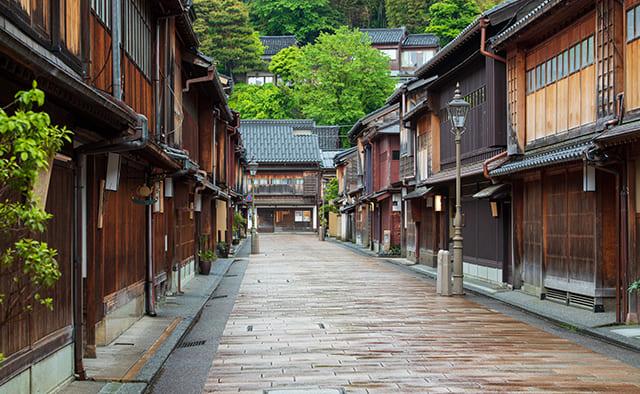
Japan remains one of the world’s most popular destinations, but you don’t have to build your entire trip around Tokyo, Kyoto and Osaka.
Kanazawa is an interesting alternative for travelers interested in traditional crafts, gardens, seafood and historic neighborhoods. Japan’s official tourism organization highlights attractions including Kenrokuen Garden, the Nagamachi Samurai District and traditional crafts.
Matsuyama offers a completely different experience on Shikoku. It is known for its castle, literary history and Dogo Onsen, and it can be reached from Tokyo by a flight of roughly one and a half hours.
The Noto Peninsula is another option for travelers looking for coastal scenery and rural landscapes. However, because parts of Ishikawa were affected by the 2024 earthquake, travelers should check current transportation, accommodation and attraction information before planning a Noto itinerary.
Best for: Food lovers, culture travelers, repeat Japan visitors and travelers who want to explore beyond the classic route.
3. Albania’s Riviera
Albania’s southern coastline continues to attract travelers looking for Mediterranean scenery without automatically choosing the better-known destinations of Greece or Croatia.
The Riviera includes places such as Sarandë and the Ksamil area, with beaches, clear water and access to historic sites.
The appeal is partly the variety. You can combine several days near the coast with inland villages, archaeological sites and local food.
Infrastructure and tourism services can vary from one location to another, so this is better suited to travelers who don’t expect everything to operate with the polished consistency of a major European resort destination.
Best for: Beach trips, budget-conscious travelers and people who enjoy a little more independence while traveling.
4. Colombia — Medellín, the Coffee Region and Cartagena
Colombia offers several very different travel experiences within one country.
Medellín has a strong food and coffee culture and is a popular base for visitors interested in city life and longer stays.
You can then move into Colombia’s Coffee Region for a completely different atmosphere, with plantations, mountain landscapes and smaller towns.
Cartagena adds Caribbean architecture, historic streets and coastal culture to the itinerary.
However, Colombia should not be treated as a destination where safety concerns can simply be ignored. Travel conditions vary considerably by region, and travelers should check their government’s latest advisory and local guidance before deciding where to go.
Best for: Coffee lovers, longer trips, culture, food and travelers who want several different experiences in one country.
5. New Zealand’s South Island
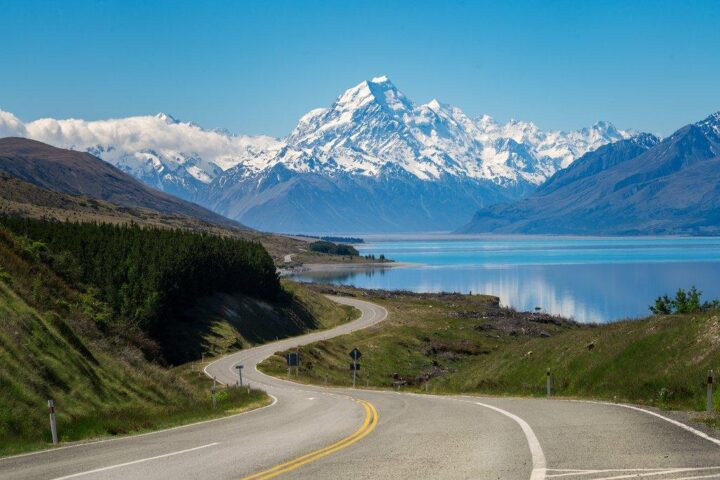
If you have enough time for the journey, New Zealand’s South Island is one of the strongest choices for a scenery-focused trip.
The island offers glaciers, mountains, fiords, wildlife, wineries and long stretches of open road.
Official Tourism New Zealand information highlights destinations including Aoraki/Mount Cook, Fiordland, Queenstown, Wānaka and the West Coast.
A road trip makes sense here because many of the major experiences are spread across different parts of the island.
You could build a route around Christchurch, Aoraki/Mount Cook, Queenstown and Fiordland, or slow things down and focus on one region.
The main downside is obvious: getting to New Zealand can require a significant amount of travel time and money, particularly for visitors coming from North America or Europe.
Best for: Nature lovers, photographers, road trippers and bucket-list travelers.
6. Turkey’s Aegean Coast
Turkey’s Aegean region is useful for travelers who want history and coastal scenery in the same trip.
You can combine time in cities such as İzmir with archaeological sites such as Ephesus and then continue toward the coast for beaches and resort towns.
Bodrum is one of the region’s better-known destinations, while smaller coastal locations can provide a slower pace.
The combination is what makes this part of Turkey interesting. You don’t have to choose between a cultural trip and a beach holiday.
As with any international destination, check current travel advisories and local conditions before booking, particularly if your itinerary includes areas outside the main tourist regions.
Best for: History lovers, beach travelers, couples and travelers who want culture and relaxation together.
7. Rwanda — For a Wildlife-Focused Trip
Rwanda deserves consideration for travelers interested in wildlife, especially those who want to experience mountain gorilla trekking.
The experience can be expensive, but it is very different from an ordinary city or beach holiday.
However, this is one destination where current travel conditions need to be taken seriously.
The U.S. Department of State’s June 2026 advisory currently places Rwanda at Level 3: Reconsider Travel, citing crime, unrest and health risks. It also advises against travel within 10 kilometers of Rwanda’s border with the Democratic Republic of the Congo because of unrest.
That doesn’t mean every part of a Rwanda itinerary carries the same level of risk, but it does mean the original description of Rwanda as simply “one of the safest countries to visit in East Africa” is too broad for a current 2026 travel article.
Check the latest government advisory, local conditions and specialist wildlife-travel guidance before booking.
Best for: Wildlife enthusiasts and travelers planning a high-cost, experience-focused trip.
How to Choose the Right Destination
Instead of asking which destination is “best,” start with three practical questions.
How much time do you have?
A long weekend and a three-week vacation require completely different destinations.
Porto can work well for a shorter European break, while New Zealand makes more sense when you have enough time to justify the long journey.
What’s your realistic budget?
Don’t calculate only the flight.
Accommodation, local transportation, food, activities, insurance and entry requirements can significantly change the total cost of a trip.
A destination that looks cheap on paper may become expensive if you want private accommodation, frequent tours or peak-season travel.
What kind of experience do you want?
Think about the actual experience you’re looking for.
Do you want:
- Beaches and relaxation?
- Food and culture?
- Wildlife?
- Hiking and nature?
- A road trip?
- A city break?
- A slower, less structured itinerary?
Once you answer that question, choosing a destination becomes much easier.
Don’t Book Based on a Universal “Best Time” Rule
Flight prices don’t follow one simple rule.
The cheapest booking window can vary depending on the route, season, airline, origin airport and destination.
For example, Expedia’s 2026 data for some markets points to different savings windows depending on whether the trip is domestic or international. Its broader 2026 Air Hacks research also highlights that when you fly can matter as much as when you book.
Instead of assuming that booking exactly three or five months ahead will always produce the cheapest fare, compare prices over several dates and consider traveling outside the busiest periods.
Final Thoughts
There isn’t one destination that can honestly be called the best place to travel in 2026.
The right choice depends on your time, budget, interests and tolerance for crowds or complicated logistics.
Porto works well for a relatively compact European trip. Japan offers plenty beyond Tokyo and Kyoto. Albania can appeal to travelers looking for a Mediterranean-style coastline. Colombia combines cities, coffee regions and Caribbean culture. New Zealand’s South Island is built for nature and road trips, while Rwanda offers a very different wildlife experience — with important current travel-advisory considerations.
The smartest approach is not to chase a generic “top destination” list.
Choose the trip first.
Then choose the destination that fits it.
FAQ
What are some affordable travel destinations in 2026?
Albania and parts of Colombia can offer relatively good value depending on the season, accommodation and travel style. Vietnam is another destination worth researching, particularly for travelers who prioritize lower daily costs.
There is no single daily budget that applies to every traveler, so compare accommodation, transportation and activity prices for your specific itinerary.
When is the best time to book international flights for 2026?
There is no universal booking window that guarantees the lowest fare.
Current 2026 airfare research shows that the best timing varies by market and trip type. Comparing several departure dates and booking windows is more reliable than following a fixed “three to five months” rule.
Is Japan still worth visiting in 2026?
Yes, but you don’t have to limit the trip to Tokyo and Kyoto.
Kanazawa and Matsuyama offer different cultural experiences, while other regions can provide a quieter alternative to Japan’s most famous tourist routes.
If visiting the Noto Peninsula, check the latest local transportation and attraction information because the region is still recovering from the 2024 earthquake.
What destinations are good for solo travelers in 2026?
Portugal, Japan and Colombia can all work for solo travelers, but “solo-friendly” depends on the specific city, itinerary and travel experience.
Before traveling alone, check local safety information, transportation options and current government travel advisories.
Is Rwanda safe to visit in 2026?
Travel conditions in Rwanda vary by location. The U.S. Department of State currently lists Rwanda at Level 3: Reconsider Travel and advises against travel within 10 kilometers of the DRC border because of unrest. Travelers should check the latest advisory before booking.
Do I need a visa to travel to these destinations?
Visa and entry requirements depend on your nationality, destination and purpose of travel.
Always check the destination’s official immigration information and your government’s current travel guidance before booking flights.
What should I consider before choosing a destination?
Look at the total trip cost, travel time, weather, local transportation, accommodation availability, entry requirements and current safety information.
A destination that looks perfect in a social-media post may not be the right choice once those practical factors are considered.